Coordinate the decisions that connect project teams.
Safety coordination addresses the interfaces between designers, contractors and construction teams. It supports early discussion of conflicting activities, exchange of relevant information and agreement on precautions for shared spaces and successive tasks. The engagement is defined around the project phase and formal responsibility structure. Effective coordination relies on timely information from all parties and clear follow-through on the decisions that affect site conditions.
Support shaped around your workplace
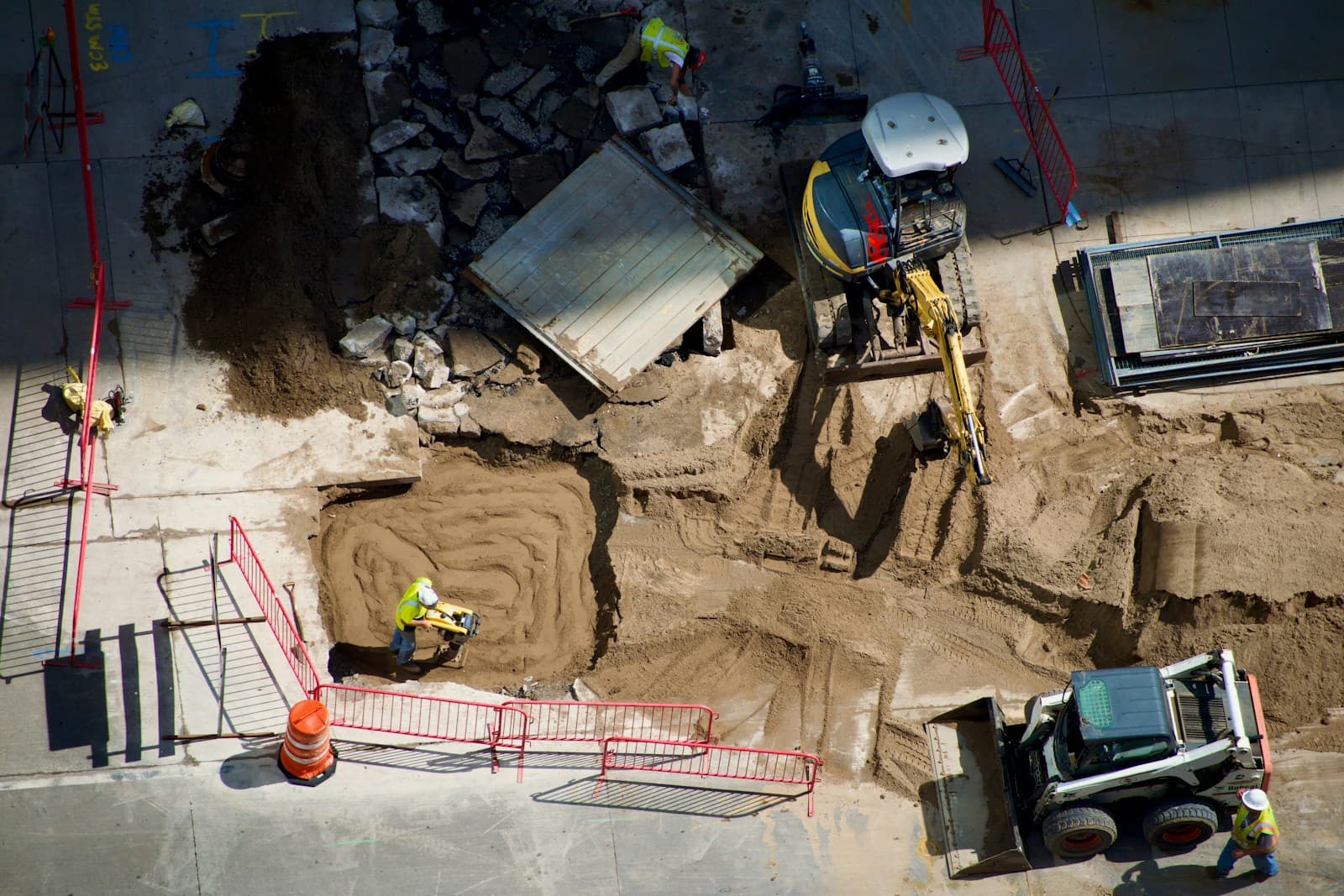
For project owners and construction management teams overseeing several contractors, shared work areas or complex dependencies between design and execution.
Common challenges we help address
- Contractor activities affecting the safety of other ongoing work.
- Important information lost between design decisions and site execution.
- Coordination meeting decisions without clear ownership or implementation follow-up.
A formal coordinator appointment requires confirmation of the necessary qualifications, project phase and specific responsibilities.
What the service includes
- Review of programme interfaces and activities requiring coordinated precautions.
- Coordination discussions involving the relevant project and contractor representatives.
- Follow-up of agreed measures and changes affecting shared site conditions.
Clear work. Useful deliverables.
- An interface register identifying topics that require joint coordination.
- Decision records showing responsibilities and the necessary follow-up actions.
- Recommendations for updating the relevant project safety documentation.
The final scope and deliverables are agreed in your proposal, based on your premises, activities and priorities.
From first conversation to practical action
Understand
We start with your people, your operations, and the realities of your workplace. A useful safety strategy begins with listening.
Assess
We examine tasks, identify hazards, and review existing controls. Together, we set priorities that reflect the actual level of risk.
Implement
We turn findings into practical controls, clear documentation and accountable follow-up. Every action needs a responsible owner and an achievable next step.
Improve
We review progress and adapt as your business changes. Prevention becomes part of how your workplace operates, every day.
Value for your organization
- Earlier discussion of conflicts between planned activities and site arrangements.
- Clearer allocation of actions across the parties involved in construction.
- Better continuity of safety information between different project stages.
A few useful answers
When should coordination be discussed?
Early access to project information makes it easier to consider interfaces and coordination needs. The appropriate scope depends on both the design stage and the planned construction arrangements.
Can every project be accepted?
We first establish the project characteristics, role boundaries and required professional qualifications. Any formal appointment is confirmed only after those requirements and availability have been reviewed.
Related expertise
Make workplace safety a business advantage.
A safer workplace starts with understanding your business. Let’s find the right next steps, together.